
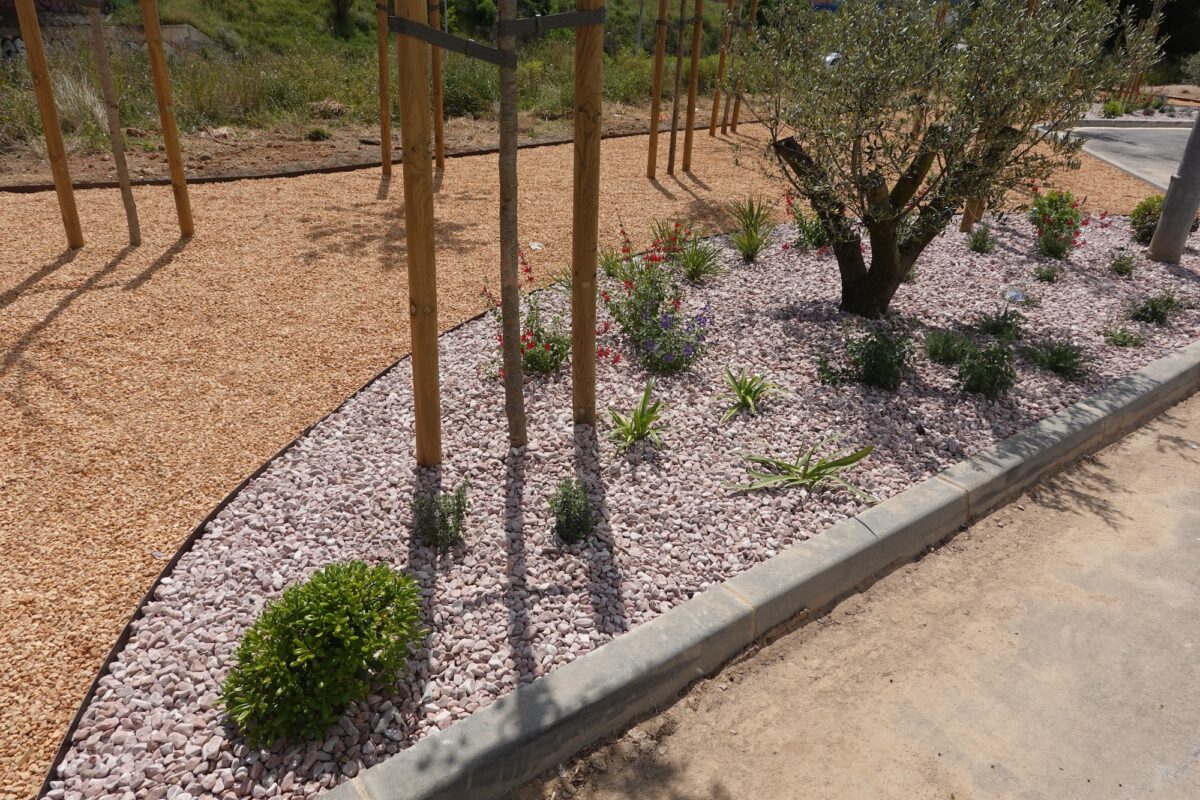
At Leeco Grounds Management, we know that an attractive landscape does not have to require constant watering, mowing, pruning, and upkeep. The right design choices can make a property easier to maintain while still creating an outdoor space that looks intentional and works well throughout the year. For landscaping in Albuquerque, that means planning around local heat, limited rainfall, soil conditions, and the way the property will actually be used.
What Makes a Landscape Low Maintenance in Albuquerque?
A low-maintenance landscape starts with reducing unnecessary work rather than simply removing plants. Think about which parts of the property currently require the most attention. Turf that struggles in full sun, plants that need frequent pruning, poorly placed irrigation, and areas that constantly collect weeds can all add to maintenance demands.
When we plan landscaping in Albuquerque, we look at how each part of the landscape can perform over time. Sun exposure, wind, water use, traffic patterns, drainage, and existing problem areas all affect which solutions make sense. Taking these factors into account from the beginning can help create a landscape that is easier to manage without sacrificing appearance or function. These are the same types of practical site conditions Leeco considers when evaluating Albuquerque landscapes.
Which Plants Work Best for a Low-Maintenance Landscape?
Plant selection can have a major impact on how much work a landscape requires. Plants that are suited to Albuquerque conditions are generally easier to maintain than varieties that constantly struggle with heat, sun, or limited water.
Look beyond how a plant appears when it is first installed. A shrub that quickly outgrows its space may need regular trimming, while plants with very different watering requirements can make irrigation more complicated. Grouping plants with similar needs also makes maintenance easier. This allows irrigation zones to be managed more efficiently and reduces the risk of giving one area too much or too little water.
How Can You Reduce Lawn Maintenance?
Traditional turf can be useful, but it can also require regular mowing, irrigation, fertilization, and seasonal care. If part of a lawn is rarely used or consistently difficult to maintain, it may be worth reconsidering how that space functions.
That does not mean every low-maintenance landscape needs to eliminate grass. Keeping turf in areas where people gather, play, or spend time outdoors can still make sense. Less functional sections can potentially be replaced with planting beds, gravel, patios, walkways, or other landscape features. For commercial and residential landscaping in Albuquerque, selectively reducing turf can help concentrate maintenance efforts where grass provides the most value.
What Hardscape Features Can Reduce Yard Work?
Hardscape can reduce the amount of planted space that requires routine care while making a property more usable. Walkways, patios, seating areas, decorative gravel, and other built features can define spaces and improve circulation through the property. Too much hardscape can create additional reflected heat and may make an outdoor area less comfortable. A better approach is to balance planted areas with durable surfaces that serve a specific purpose. Good landscape design considers how people move through the property, where they spend time, and which areas need the most durability.
How Does Irrigation Affect Landscape Maintenance?
Even drought-conscious landscaping still needs an irrigation strategy. An inefficient or poorly planned system can create additional maintenance through dry plants, oversaturated areas, leaks, runoff, and uneven watering. Different areas of a property may need different watering approaches. Turf, trees, shrubs, and planting beds do not necessarily have the same requirements. Separating them into appropriate irrigation zones makes it easier to adjust watering based on what each area needs.
Drip irrigation can also be useful for directing water to specific plants rather than watering large surrounding areas. Regularly checking the system for leaks, broken emitters, or incorrectly aimed irrigation can prevent small problems from becoming larger landscape issues. Irrigation can also be useful for directing water to specific plants rather than watering large surrounding areas.
Can Mulch and Ground Cover Make Landscaping Easier?
Ground cover materials can help reduce exposed soil and make planting areas easier to maintain. Organic mulch around appropriate plants can help retain moisture, moderate soil temperatures, and limit some weed growth. Gravel and other inorganic materials may also work well in certain areas, especially where a durable, water-conscious surface is needed. However, the same material does not need to be used throughout the entire landscape.
How Should You Plan for Long-Term Maintenance?
One of the best ways to reduce maintenance is to think several years ahead during the design process. Plants grow, irrigation systems need access, trees drop leaves, and heavily used areas experience wear. A landscape that looks good immediately after installation may become difficult to manage if those factors were not considered early. Give plants enough room to reach their mature size whenever possible. Consider how easily maintenance crews can reach irrigation components and planting beds. Think about where weeds are likely to become a problem and which areas may require regular cleanup.
The same principle applies to commercial landscaping in Albuquerque. Entrances, pedestrian routes, parking areas, gathering spaces, and highly visible planting beds may all have different maintenance priorities. Planning around those differences can make ongoing grounds management much more efficient.
Is Low-Maintenance Landscaping the Same as Xeriscaping?
Low-maintenance landscaping and xeriscaping can overlap, but they are not exactly the same thing. Xeriscaping focuses heavily on efficient water use and plant choices suited to dry conditions. Those principles can certainly help create a landscape that requires less upkeep. A complete low-maintenance plan also considers mowing, pruning, irrigation access, material durability, traffic, cleanup, and how each part of the property is used. Water conservation is important, but it is only one part of creating a landscape that performs well over time.
Start Planning Low-Maintenance Landscaping in Albuquerque
A well-planned design can reduce unnecessary work and make ongoing maintenance more manageable. At Leeco Grounds Management, we help homeowners and property managers create outdoor spaces designed around Albuquerque conditions and practical long-term needs. Contact us to learn more about landscaping in Albuquerque for residential or commercial properties and start planning an outdoor space that is easier to maintain.